Conditions inside the Manayunk Canal used to deteriorate during the summertime. The two-mile waterway, which stretches from around Domino Lane in Roxborough and the Manayunk Brewing Company, became stagnant and polluted since it was cut off from the Schuylkill River in 1940. During warm months, algae would bloom and decay due to abundant sunlight, causing a putrid odor and fish kills. But this year, as they walk along the Schuylkill River Trail, people are noticing a change.
“The water’s clean (and) clear,” said fisherman Bob Vernitsky. “The wildlife down there is …
This item is available in full to subscribers.
You can also purchase this individual item for $1.50
We have recently launched a new and improved website. To continue reading, you will need to either log into your subscriber account, or purchase a new subscription.
If you are a digital subscriber with an active subscription, then you already have an account here. Just reset your password if you've not yet logged in to your account on this new site.
If you are a current print subscriber, you can set up a free website account by clicking here.
Otherwise, click here to view your options for subscribing.
Please log in to continue |
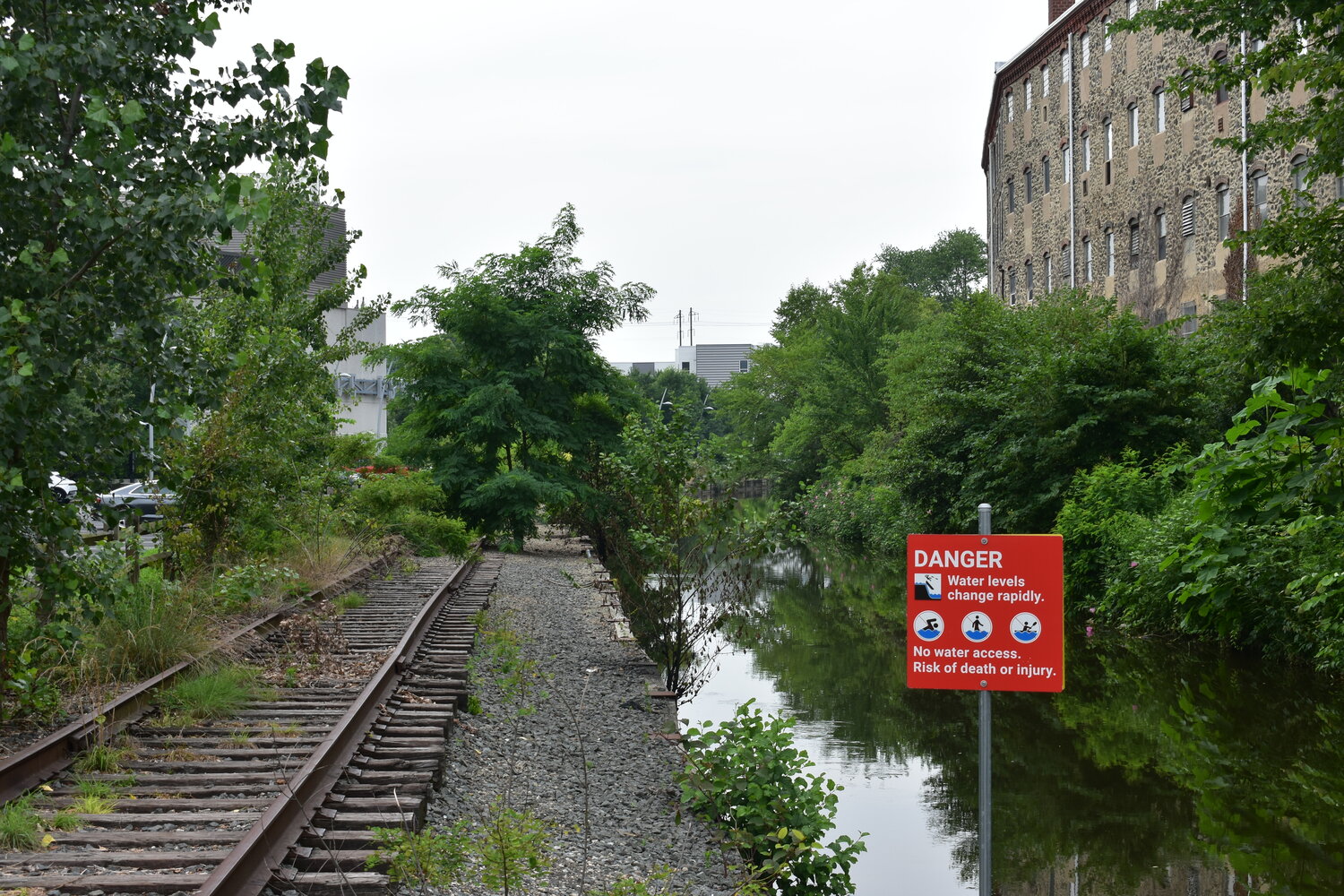


Conditions inside the Manayunk Canal used to deteriorate during the summertime. The two-mile waterway, which stretches from around Domino Lane in Roxborough and the Manayunk Brewing Company, became stagnant and polluted since it was cut off from the Schuylkill River in 1940. During warm months, algae would bloom and decay due to abundant sunlight, causing a putrid odor and fish kills. But this year, as they walk along the Schuylkill River Trail, people are noticing a change.
“The water’s clean (and) clear,” said fisherman Bob Vernitsky. “The wildlife down there is tremendous.”
In its annual Drinking Water Quality Report, the Philadelphia Water Department (PWD) says the Manayunk Canal is seeing “dramatic improvements in water quality” since it reconnected the waterway with the Schuylkill River in April 2025. The Flat Rock Dam project, supported by a $21 million loan from Pennsylvania’s infrastructure fund PENNVEST, allowed water to move through the dam again after 85 years.
The Manayunk Canal is the first of its kind to begin construction in the United States, according to the Manayunk Development Corporation (MDC). Built by the Schuylkill Navigation Company in the early 19th century, the canal and Flat Rock Dam helped transport goods and provided water power for Flat Rock Dam, fueling the growth of Manayunk’s textile mill industry. The canal was closed to navigation in 1940 and its freshwater flow was cut off from the river.
For the next several decades, the stagnant waterway was plagued by sediment build-up, trash, odors and algal blooms on the water surface. The lack of freshwater flow led to declining oxygen levels, hindering the environment for fish and other wildlife.
“It was more like a stagnant pond or a bog. You want water to be flowing and moving to get the aeration and the oxygen and move things downstream,” PWD environmental engineer Matt Fritch said.
Some treated it as a dumping ground. MDC employees, who conduct cleanups around the canal, found shopping carts, bicycles, tires and other items in the water, MDC executive director Gwen McCauley said.
The feeder gate at the top of the dam was in disrepair and in danger of collapsing, Fritch said.
Manayunk community members advocated for the canal’s cleanup, demanding environmental restoration along the Schuylkill River Trail. Martin Pulli owns a fine jewelry and watches business on Main Street and is the vice president of the Manayunk Special Services District executive committee. He and other Manayunk community members formed a canal committee and reached out to federal and city officials, Pulli said.
“I think this project was something that everybody just kind of kicked around and tried to find somebody else to pay for it, but it worked out really well,” Pulli said.
“People that live in the city all want to see improvements, and as a community, you kind of have to push for improvements and stay behind it,” he added.
For the project, which ran from 2022-25, PWD gradually opened the locks connecting the canal to the Schuylkill River and rebuilt the intake feeder structure to control the waterflow into the waterway, so that they can maintain healthy oxygen levels for wildlife. City employees also cleaned up the sediment accumulated in the canal.
“We got the water moving,” Fritch said. “We’re able to get rid of the algal blooms. We saw the dissolved oxygen meet all state standards for last summer. And it moved out some of that sediment and silt from the bottom of the canal.”
Fritch said oxygen levels have improved in the past year. PWD has instruments that measure temperature, pH levels, dissolved oxygen and turbidity (cloudiness or haziness) in the canal. The general dissolved oxygen range for supporting freshwater fish is 7-10 milligrams per liter, while lower or higher can be stressful, according to the U.S. Environmental Protection Agency. In the summer of 2012, levels in the canal at Fountain Street jumped around from 0-15 milligrams per liter, according to data provided by PWD. In 2025, levels sustained at around the 6-10 range.
PWD has also introduced another cleanup method: freshwater mussels. PWD’s Freshwater Mussel Program began in 2020 in collaboration with the Partnership for the Delaware Estuary, the Academy of Natural Sciences of Drexel University and others to cleanse local waterways.
The Manayunk Canal has two floating mussel baskets in the canal that can hold up to 3,000 mussels. As the young mussels grow and feed on tiny particles in the water, they filter out the water. Based on the improving water quality, Fritch said the program has been effective.
The wildlife population is thriving, he said. Spectators can find blue herons, beavers, mallard ducks and various turtles, including snapping turtles and red-eared sliders.
Vernitsky, an East Falls native and Roxborough resident, said there hasn’t been much of a change in the fish population in the past year. But there is a variety of species there: largemouth bass, bluegills, flathead catfish, carp and minnows. He’s spied a snakehead, an invasive species that eats carp and bass. Snapping turtles also consume small fish.
During his childhood, Vernitsky had friends who would swim in the waterway and jump into the water from the “Blackie Bridge” (also known as the Venice Island railroad bridge), he said. One improvement he wants to see along the canal is the prevention of graffiti.
The MDC and Friends of Manayunk Canal plan to continue trash cleanups, with help from the Marine Debris and Floatables Program. MDC will install more plantings around the trails to manage stormwater runoff. The Philadelphia Streets Department is planning to repair the boardwalks from Green Lane Bridge and Cotton Street that were damaged during Hurricane Ida in 2021, and install new lighting between Lock Street and Leverington Avenue.
McCauley said she’s thankful for the PWD’s work and said the experts have been “amazing” partners on the project.
MDC is currently applying for funding for a riverfront plan, which would outline ways to increase people’s access to the water through trails and programming, McCauley said. Many people and organizations have asked about riverfront access, she said.
“Residents are moving to this section of the city because of the trails. We would love to make this connection,” she said.
She’s hoping that one day the canal will be open for outdoor activities like kayaking and that Manayunk will host events dedicated to the waterway. Community members used to gather on Main Street for “Manayunk Canal Day” celebrations.
“The canal is an intrinsic part of our neighborhood and our district,” she said. “It’s an amenity that not many other districts in the city have.”
Abby Weiss is an environmental reporter for the Local and a Report for America corps member. She can be reached at abby@chestnuthilllocal.com.



