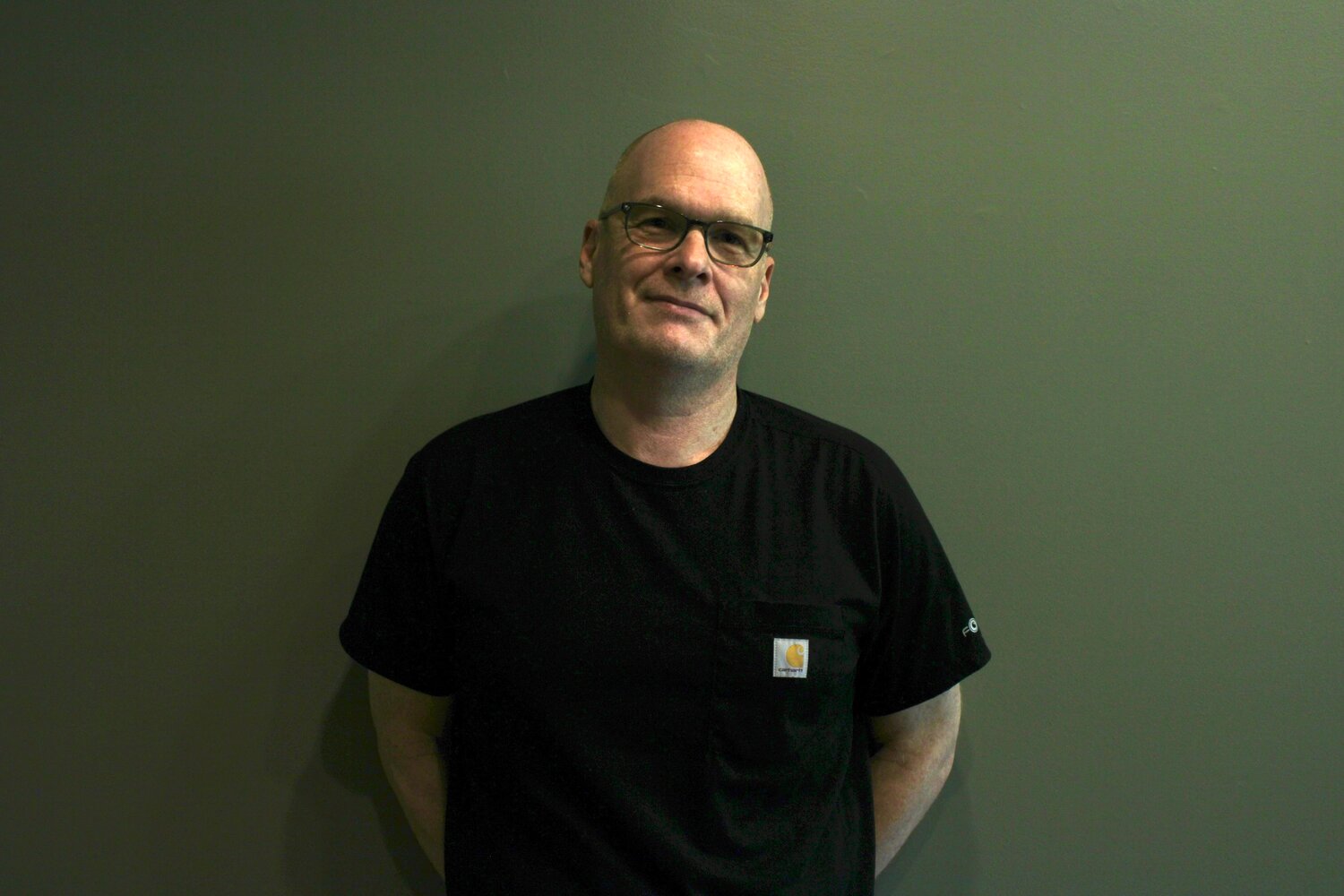
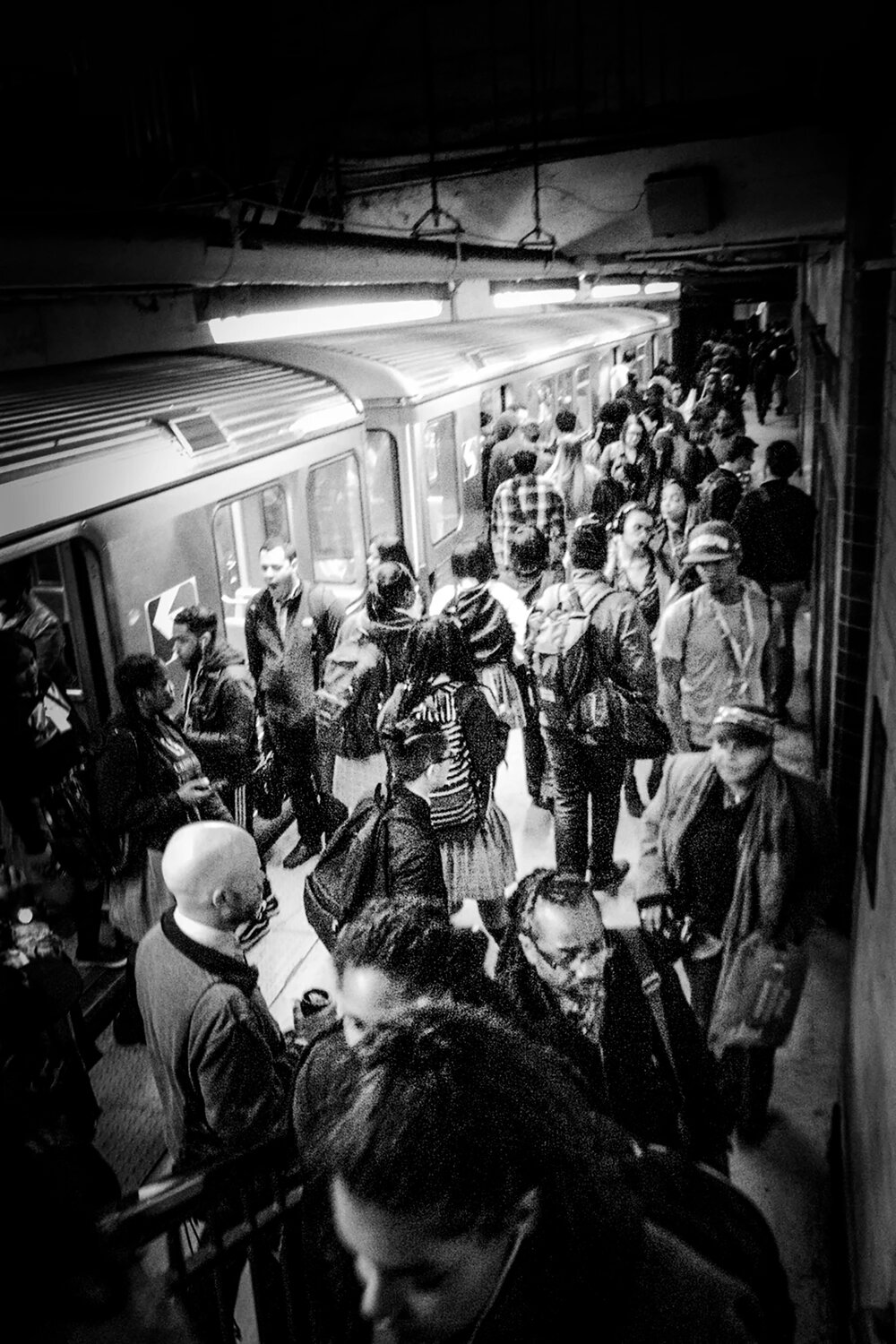
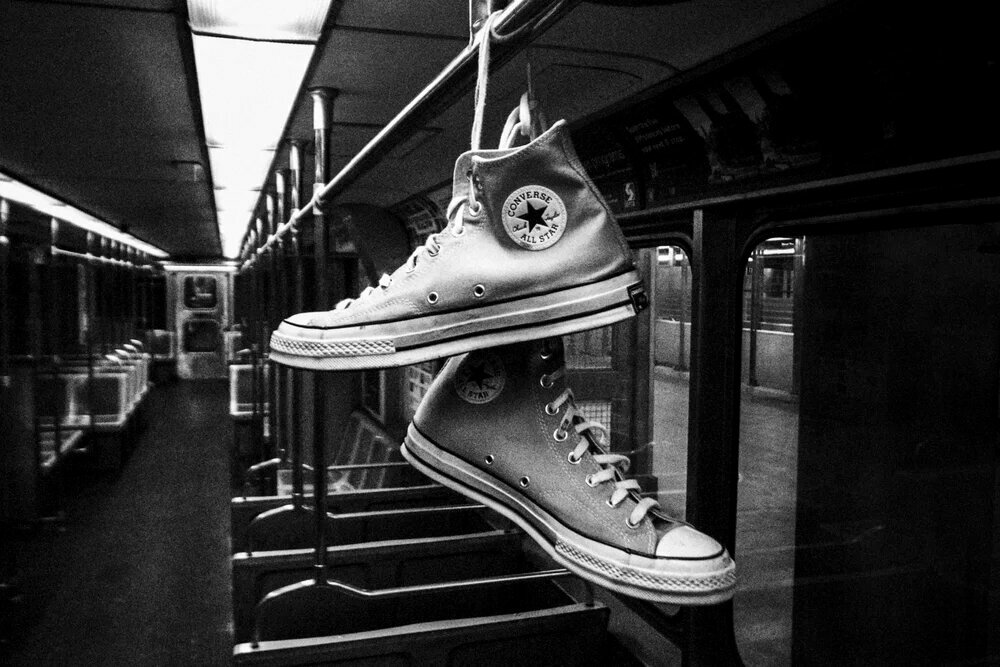
Local artist Michael Penn has had a camera in his hands since before he could even ride a bicycle. With a deep fascination for the ever-changing city of Philadelphia, he developed his ongoing “Subway Project” in 2014 in which he takes black and white photos of people on the train.
Penn notes that as he has been using the subway to commute to work over the years, he has always taken photos, but after a while, he noticed a shift in the culture. People were no longer conversing on the subway or diligently watching their surroundings as they used to because everyone was glued to their …
This item is available in full to subscribers.
You can also purchase this individual item for $1.50
We have recently launched a new and improved website. To continue reading, you will need to either log into your subscriber account, or purchase a new subscription.
If you are a digital subscriber with an active subscription, then you already have an account here. Just reset your password if you've not yet logged in to your account on this new site.
If you are a current print subscriber, you can set up a free website account by clicking here.
Otherwise, click here to view your options for subscribing.
Please log in to continue |
Local artist Michael Penn has had a camera in his hands since before he could even ride a bicycle. With a deep fascination for the ever-changing city of Philadelphia, he developed his ongoing “Subway Project” in 2014 in which he takes black and white photos of people on the train.
Penn notes that as he has been using the subway to commute to work over the years, he has always taken photos, but after a while, he noticed a shift in the culture. People were no longer conversing on the subway or diligently watching their surroundings as they used to because everyone was glued to their phones.
“The subway was never a social party or anything like that, but it became more closed-off. It became [almost] dystopian,” Penn said. “Today you can fill a subway car full of 80 people, and you can hear a pin drop.”
After seeing many people suffering through mental illnesses and substance abuse, Penn decided he wanted to use his project to spread awareness about the harsh conditions through which many subway riders are suffering.
“In the winter, [the subway] is a shelter for the homeless,” Penn said. “...On any given cold, winter day, they can make up to one third of the train and it causes friction between the regular riders.”
To get his shots, Penn rides the subway for three to four hours at a time, watching all the people get off and on the train at each new stop. Although he loves observing everyone, he explained that it can be overwhelming at times.
“It takes a mental toll. My wife will see when I come home that I’m just emotionally drained at what I see going on there,” Penn said. “And I’m hoping that the powers that be sometimes see some of my photographs and say, ‘you got to do something about this,’ and unfortunately, they don’t.”
Penn has also finished multiple other black and white projects within Philadelphia including “The Philadelphia Project,” “Devil’s Pool” and “Sleepwalking.” Due to having photophobia, a condition that causes severe light sensitivity, Penn said that he specifically loves taking photos at night and in darker locations. His project “Sleepwalking” features photos through the quiet hours of Philadelphia when everyone is off the streets.
But Penn has not let it get in the way of his love for photography.
“While it’s still bright in the subway, it’s nowhere near as bad as other places,” Penn said. “This whole thing just ticks so many boxes for me.”
Penn is unsure what direction his photography will take in the future, but doesn’t see the subway project ending anytime soon. He explained that he has always been a very curious person, specifically when it comes to how humans interact with one another, and wants to give his viewers a glance at how he sees the world, whether that is a meaningful connection between two subway riders, or the raw and unflattering part of living in a large city.
“No matter what project I work on with photography, I’m trying to be truthful and show everything that there is. I don’t try to cherry-pick them,” he said.
Authenticity is important to Penn. He focuses on capturing individuals in real moments of life, unposed and off their devices. His black and white style is intended to show the depth to every photo, uncovering each person’s story without the need for color images.
He says that most of the time, they don’t even know he’s there.
“People call me a ghost because [my camera] has a wide-angle lens and some of these photos I am [extremely] close to people, and they don’t even see me,” Penn said.
The subway commuters have many untold stories, and Penn hopes to uncover more each day.
“It’s a struggle,” he said. “But …because of the pure enjoyment I get out of it, I can’t imagine doing anything else.”